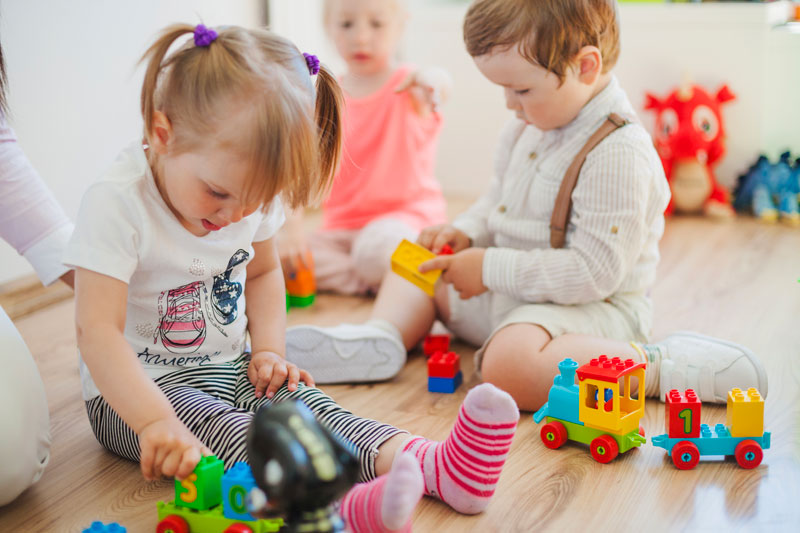
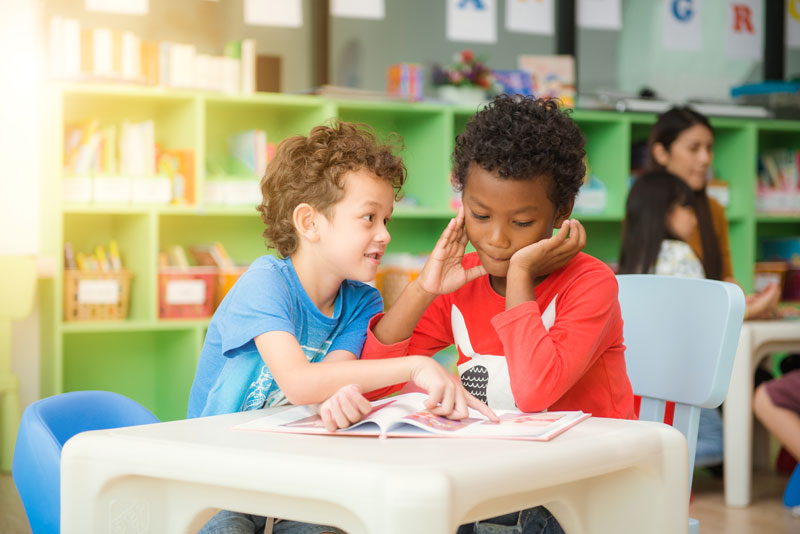
Permata Montessori is located in the Permata Hijau area of South Jakarta. It is a school for children aged 16 months to 6 years old, which aims to prepare them to enter primary school.With a school area of more than 3000m2, we offer various learning facilities inside and outside the classroom.We believe that each child is uniquely intelligent. Therefore, we allow every child to explore their interests and talents through the various programs we offer.
Our Vision
An early childhood school that brings impact on the children in Indonesia to equip them to become an excellent generation.
Our Mission
Creating an independent, creative, eager to learn generation of children who are able to carry themselves in various situations, by providing a safe and fun learning environment.
Who is Maria Montessori
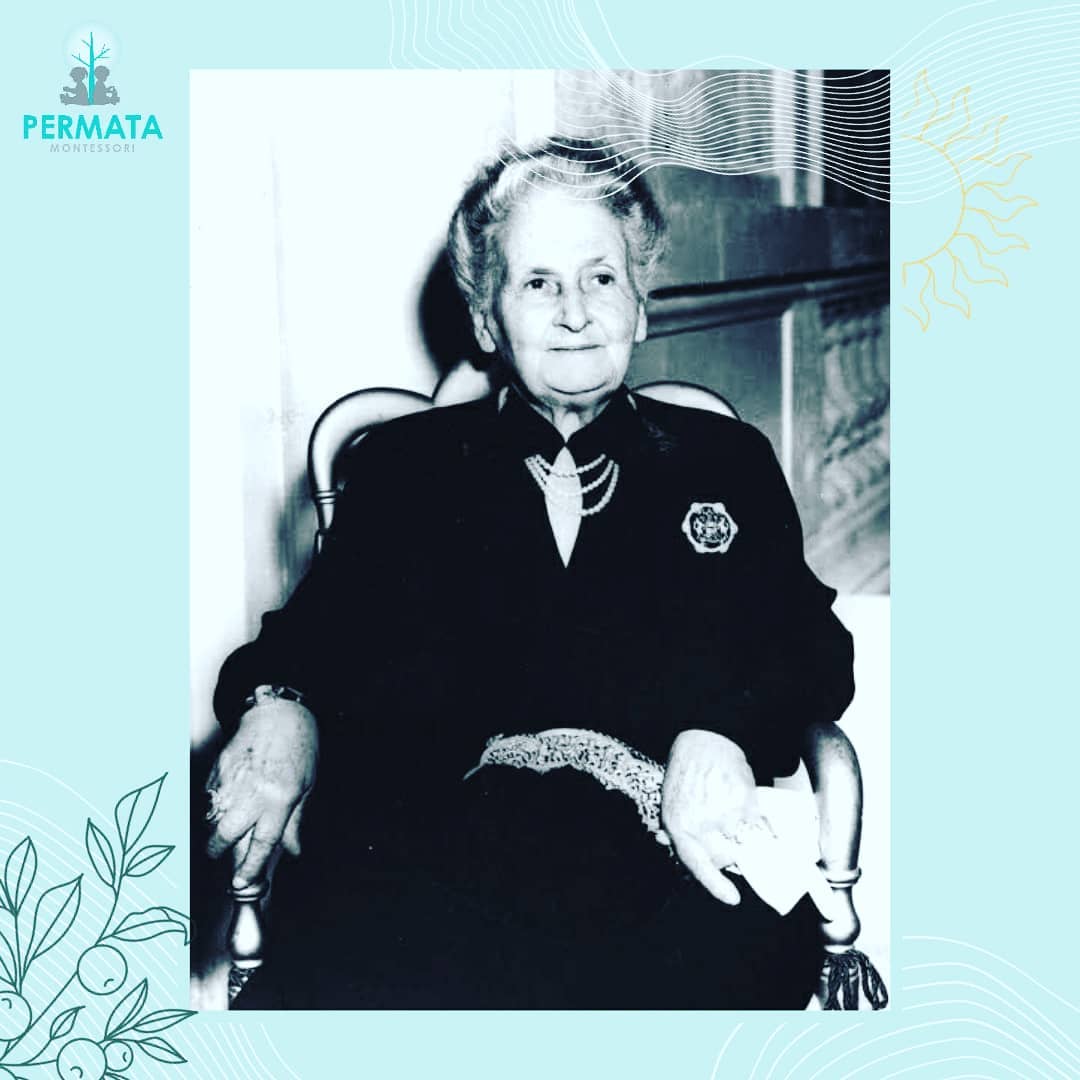
Maria Montessori is a determined woman who overcame the obstacles that blocked the education and career opportunities in Italy. Born on August 31, 1870 in Italy, she was raised in a middle class respected family.
Maria Montessori entered a technical secondory school to study engineering and later, the University of Rome's medical school to become Italy's 1st degreed female physician.
During her last 2 years of Medical School, Montessori studied pediatrics, an experience that moved her towards what would be her lifelong calling, education. She then focused on disabled and mentally retarded children. This motivated her to pursue more advanced studies in the foundations of education. She returned to the University of Rome where she studied psychology, anthropology, education history & philosophy and pedagogical principles.
In 1907, Montessori was asked to resolve a very practical problem. She opened her first school, Casa dei Bambini (Children's House) in a poor district area in Rome. Her first pupils were 50 abondened children of working parents from ages 3 to 7 years old.
Here, she applied the Montessori philosophy and used the apparatus that she designed through her research and observation. The method was fruitful, not only did the "wild" abondened children become more disciplined, they also developed the sense of order and independence while gaining knowledge at the same time.
Her method was then recognized around Europe and also the USA. It was proved that children could learn better and more happily in Montessori classroom.
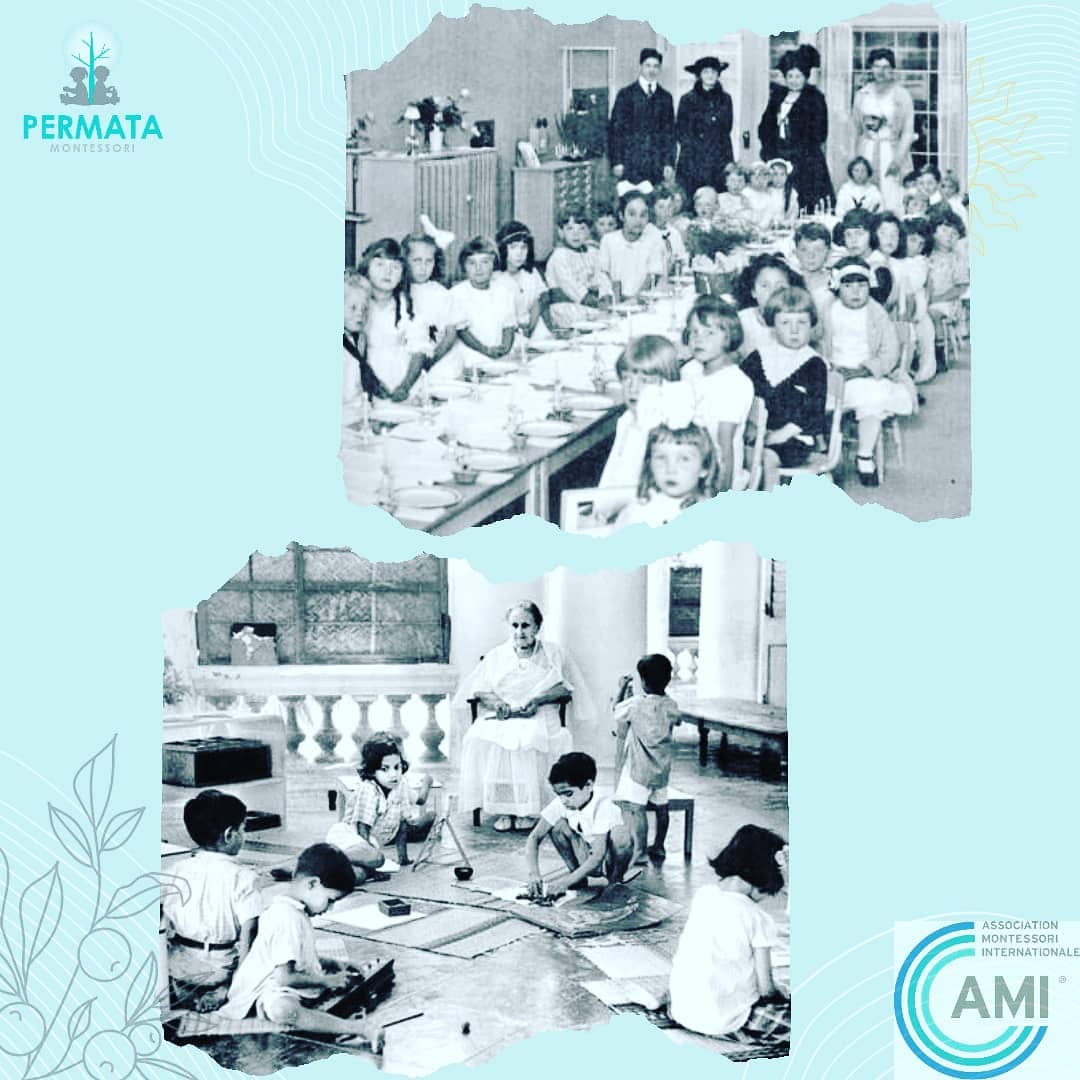
In 1929, Montessori and her son, Mario, established AMI (Association Montessori Internationale) to control and supervise Montessori activites, including training programs throughout the world.
It was headquartered first in Berlin until 1935 and then in Amsterdam until now. The AMI controlled rights to the publication of Montessori's books, the manufacture and sale of the materials and the training courses.
Believing that she had developed a truly global method of education, Montessori travelled the world to promote her method of education.
When Word War II ended, she returned to Europe, arriving in July 1946 in Amsterdam, at the AMI headquarters. She continued to give training courses.
Maria Montessori died on May 6, 1952 in the Netherlands, but her legacy and her works still flourish until now across the world.
Inside a Montessori Classroom
Montessori classrooms are peaceful, happy places designed to meet the developmental needs of each child in every stage of life.